

An acoustic piano that falls silent at the push of a button and only plays through headphones: that is the idea behind a silent system. The two big players are Yamaha with its Silent system and Kawai with AnyTime ATX. Both solve the same problem, but approach it differently.
If you are weighing Yamaha Silent against Kawai ATX, you are really choosing the brand of the piano first and the silent system second. This article shows how both systems work, where the real differences lie and which solution suits whom.

SH3 and SC3 on Yamaha pianos, CFX sound with binaural headphone audio
Ideal for: If you want a Yamaha piano and look for an especially spacious, natural sound through headphones.
See all Klaviere - Neu →ATX4 on Kawai uprights and grands, SK-EX sound engine with Harmonic Imaging
Ideal for: If you prefer a Kawai upright or grand and value a precise, contactless sensor system.
See all Klaviere - Neu →01What a silent system actually does
First things first: a silent system is not a digital piano. It sits inside a real acoustic piano with strings, soundboard and hammer action. In normal operation the instrument plays fully acoustically.
When you switch the silent system on, a stop rail slides between the hammers and the strings. The hammers are caught just before the string, so no acoustic tone is produced. At the same time, optical sensors read the attack of every key and a digital sound engine generates the piano tone you hear through headphones. The piano remains fully playable as an acoustic instrument at all times; the silent system is simply added on top.
That is why the brand decision comes first: Yamaha Silent is only fitted at the factory in Yamaha pianos, Kawai ATX only in Kawai instruments. Both are installed at the factory, not retrofitted later.
02Yamaha Silent: SH3 and SC3
Yamaha fits two tiers depending on the piano class. The SH3 sits in the higher-end models such as the YUS range and the SU series, the SC3 in entry-level models like the B1. Both use a contactless optical sensor system under the keys that reads the attack without changing the touch.
A Yamaha hallmark is the Articulation Sensor System: it interprets in fine detail how the hammers in a real piano respond to the attack, from slow key movements to fast trills. The sound engine uses samples of the Yamaha CFX concert grand and outputs them binaurally over headphones. This binaural sound creates a spacious listening experience, as if you were sitting in front of a real grand, and is the strength of the Yamaha system for headphone use.


03Kawai ATX: the AnyTime system
Kawai calls its silent system AnyTime, and the current generation is ATX4. It is found in the K-200 and K-300, for example, as well as in grands like the GL-10. Older or more compact models such as the K-15 carry the ATX3L generation.
The heart of the system is Kawai's Integrated Hammer Sensing System, with high-resolution contactless optical sensors right at the hammer action. On the grands there is also the GP Touch Muting System, an improved stop rail that halts the hammers precisely just before the strings. The sound engine relies on the SK-EX rendering engine with Harmonic Imaging XL, based on the Shigeru Kawai SK-EX concert grand. The character is regarded as full and carrying.


04Sensors, sound and touch compared head to head
Both systems now use contactless optical sensors, so they do not touch the action and do not change the playing feel. The stop mechanism catches the hammers just before the strings in both cases. The noticeable difference lies less in the muting itself than in the headphone sound and the brand philosophy.
Yamaha scores with its binaural CFX sound, which feels especially spacious through headphones. Kawai relies on the SK-EX engine with a warm, full foundation. Which sound you prefer is a matter of taste and can only be decided at the instrument itself.
| Feature | Yamaha Silent | Kawai ATX |
|---|---|---|
| System name | SH3 / SC3 | ATX4 / ATX3L |
| Bound to | Yamaha uprights | Kawai uprights and grands |
| Sensors | optical, Articulation Sensor | optical, Integrated Hammer Sensing |
| Sound source | CFX sampling, binaural | SK-EX engine, Harmonic Imaging XL |
| Muting | stop rail before the strings | stop rail, GP Touch Muting on grands |
05Which system suits whom
The honest answer: choosing the silent system is usually choosing the piano brand. If you already prefer the sound and touch of a Yamaha, the Silent system adds an especially spacious headphone sound. If you like the character of a Kawai, ATX gives you a precise sensor system and, with the GL-10, a grand piano option too.
For rented flats, late practice hours or children who need to play quietly, both systems work equally well. If you are after the most affordable entry-level silent piano, you will find it in the Yamaha B30 with SC3 or the compact Kawai K-15 with ATX3L. We summarised the underlying technology in our article on Silent and TransAcoustic pianos; if you are thinking of a string-free solution, see our piece on hybrid pianos.


Yamaha Silent versus Kawai ATX is rarely a pure technology question. Both systems turn an acoustic piano into a silent practice instrument, both use contactless optical sensors and a stop rail before the strings. The difference lies in the headphone sound character and in the brand of the piano underneath. The best approach is to put on the headphones with both systems and compare the sound at the instrument.
Frequently asked questions
Is a silent piano the same as a digital piano?
Can I fit Yamaha Silent into a Kawai piano?
Does the silent system change the playing feel?
How does the headphone sound differ?
Is the silent system available for grand pianos too?
Discover silent pianos from Yamaha and Kawai
From the affordable entry point to a grand with a silent system: our new pianos with Yamaha Silent and Kawai ATX at a glance.
Browse new pianosYamaha YUS-3 with SilentPassende Produkte
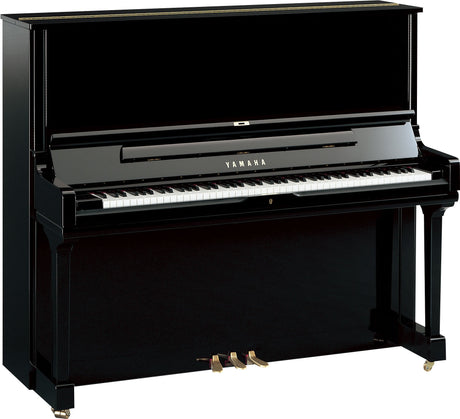



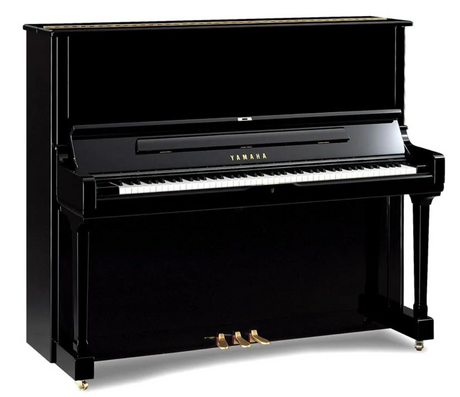
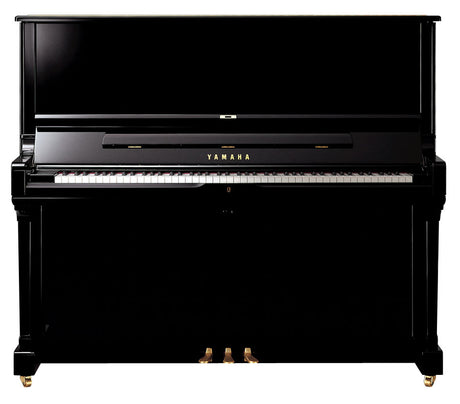
Yamaha SU-7 Upright Piano - Polished Ebony with SH3 Silent System


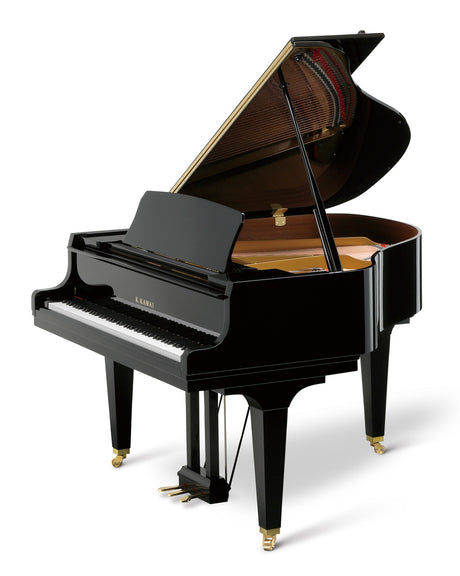
Kawai K-200 upright piano polished black – 114 cm height, ATX4 Silent system, Millennium III action