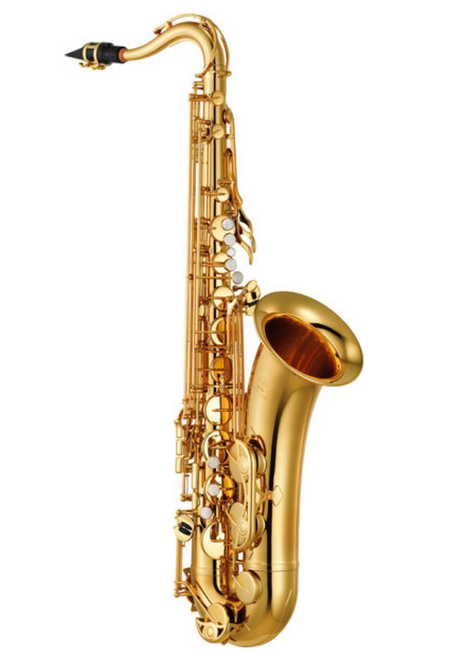
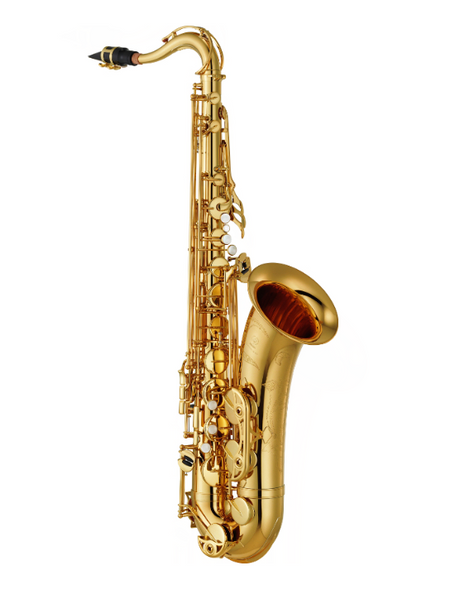
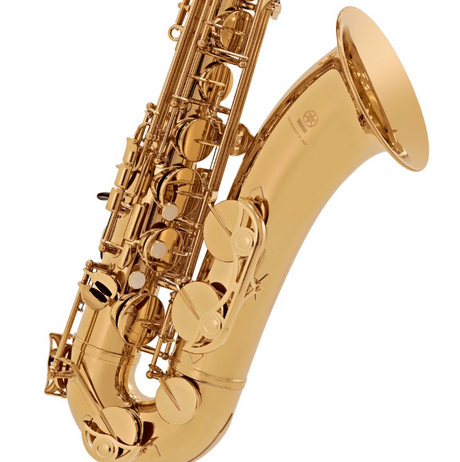
The tenor saxophone is the instrument behind the warm, round saxophone sound many people know from jazz, soul and funk. It is pitched in Bb, a full fourth lower than the alto saxophone, and that is exactly what gives it its fuller, more sonorous tone. Anyone looking to buy a tenor saxophone usually asks first: is it the right instrument for me, and which model suits a beginner?
This guide places the tenor saxophone in context – compared with the alto, who and which styles it suits, and which entry-level to mid-range models make for a solid start.
01What sets the tenor saxophone apart
The tenor saxophone is pitched in Bb and sounds a fourth lower than the alto. That gives it its character: a warmer, darker, more "jazzy" tone with plenty of body in the lower register. It is the saxophone heard in many saxophone solos in popular music.
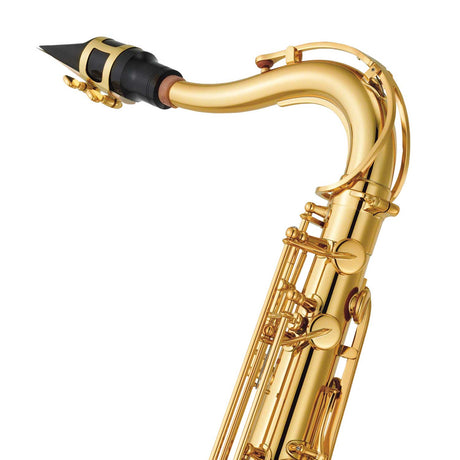
Visually you recognise the tenor by two things: it is larger and heavier than the alto, and its neck – the S-bow – is noticeably curved so the mouthpiece reaches comfortably to the mouth. Because of its size and weight, it is usually played on a neck strap or harness. In sound and fingering, alto and tenor are closely related, so switching between them is quite manageable.
The Tenorsaxophone gives an overview of all the instruments currently available.
02Alto or tenor – the short distinction
The alto and the tenor are the two classics, and the choice is rarely easy. The key differences in brief:
The alto saxophone is pitched in Eb, more compact and lighter – the common recommendation for children, teenagers and anyone wanting a handy instrument. The tenor saxophone is pitched in Bb, larger and heavier, sounds lower and warmer, and tends to sit a little higher in price on entry-level models.
As for the learning curve: both are played with the same fingerings, with the tenor asking for a bit more air and support because of its larger mouthpiece and body. For a detailed side-by-side aimed at beginners, see our guide <a href="/blogs/klang-kontext/saxophon-einsteiger-alt-oder-tenor">Saxophone for beginners: alto or tenor?</a>.
| Feature | Alto saxophone | Tenor saxophone |
|---|---|---|
| Pitch | Eb | Bb |
| Range | higher, brighter | lower, warmer |
| Size / weight | compact, lighter | larger, heavier |
| Neck (S-bow) | slightly curved | more strongly curved |
| Typical repertoire | classical, pop, school band | jazz, rock, funk, soul |
03Who the tenor saxophone suits
The tenor is the right choice when the sound is what tips the scale. Three groups reach for it especially often:
Players switching from the alto who want the fuller, deeper tone and already know the fingerings. The switch is straightforward because the fingering system stays the same. Players of jazz, rock, funk and soul, because the tenor is at home in exactly those styles and holds its own in a band. And larger teenagers or adults for whom weight and body size are no problem – for very young or slight beginners, the alto is usually the more comfortable first choice.
If the warm, sonorous sound is what draws you to the saxophone, there is hardly a way around the tenor.
04Recommended models to start on
Among entry-level to mid-range tenors, the options are clear. They differ mainly in build, response and price – not in the basic fingerings.
The Roy Benson TS202 Tenorsaxophon is an affordable entry with decent response and everything needed for the start. The Yamaha YTS 280 Tenorsaxophon is the proven classic in the student segment: smooth mechanics, reliable intonation and a build that lasts. For a step up, the Yamaha YTS 480 Tenorsaxophon offers higher-grade appointments and a more mature tone that carries beyond the first few years.
For ambitious players aiming toward the professional class later on, the range also includes the Yamaha YTS-62 series – a clear step up in price, and therefore more an investment for advanced players than a first start.
05Reeds and mouthpiece – briefly explained
Sound and response depend not only on the instrument but heavily on the mouthpiece and reed. To start, many tenors come with a usable standard mouthpiece; a suitable reed in a medium strength (often 2 to 2½ at the beginning) makes the start easier because it needs less air pressure.
Because the tenor has a larger mouthpiece than the alto, you need dedicated tenor reeds – alto reeds do not fit. Which strength and mouthpiece suit you is a topic of its own; we keep a detailed guide on that separately.
The tenor saxophone is the right choice when the warm, deep sax sound is what you are after – whether switching from the alto or starting straight into jazz, rock and funk. With a solid entry-level or mid-range model, the start is well prepared.
Frequently asked questions
Is a tenor saxophone suitable for beginners?
What is the difference between an alto and a tenor saxophone?
Why does the tenor saxophone sound warmer than the alto?
Which tenor saxophone is good for getting started?
Find the right tenor saxophone
Browse the current tenor saxophones or start straight away with the proven student classic.
See all tenor saxophonesSee the Yamaha YTS 280Passende Produkte
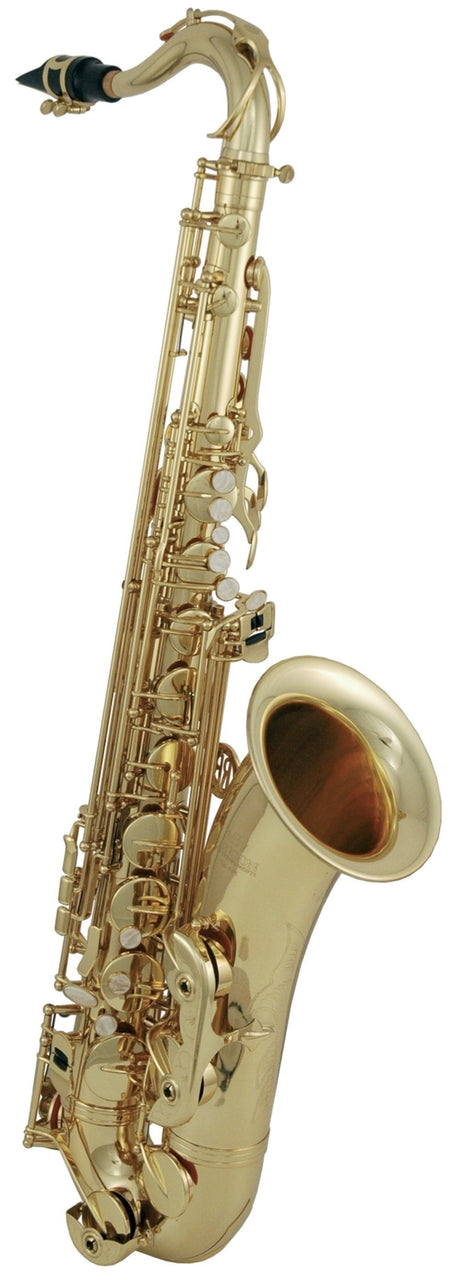
Roy Benson TS-202 Bb Tenor Saxophone – lacquered brass body, high-F# key with mouthpiece & case