When you start playing harmonica, two questions come up before the first tune: which type of build and which key. The good news first: for a harmonica aimed at beginners there is a proven standard answer that practically every method book and tutorial video is built around.
This guide explains why a diatonic blues harp in C major is the right place to start, which models hold up in real use, and what is better left for later.
01Diatonic, chromatic or tremolo: which type to start with
Harmonicas come in three common builds, and for beginners the choice is clear.
The diatonic harmonica, often called a blues harp, has ten channels and is tuned to a single key. It is small, robust, affordable, and it is the instrument behind the vast majority of method books and songs, from folk to blues to pop. This is where you begin.
The chromatic harmonica has a slide that lets you play every semitone. That sounds appealing, but it is too complex for the start and noticeably more expensive. It comes later, once the basic technique is in place.
The tremolo harmonica produces a shimmering tone through double reeds and is popular above all in folk music. A lovely instrument, but not a typical learning entry point.
In short: for beginners the diatonic blues harp is the right choice. If you want to go deeper into chromatic playing, see our guide to the chromatic harmonica and our overview of the Hohner models.
02Why C major is the ideal key to start in
A diatonic harmonica is always tuned to one key, and for the start C major is the standard.
There are three good reasons. First, C major sits in the middle register, so it is comfortable to play, neither so high that it turns shrill nor so low that the reeds respond sluggishly. Second, C major is the neutral key with no sharps or flats, the one all music theory is built around. Third, and most important in practice: nearly every method book, exercise and beginner video assumes a C harp.
Starting in C major means you can follow any lesson without transposing. Other keys such as G, A or D come later, once you want to accompany songs in different keys.
| Build | Character | For beginners |
|---|---|---|
| Diatonic (blues harp) | 10 channels, one key, small and robust | Ideal, start here |
| Chromatic | Slide for all semitones, versatile | Too complex for the start |
| Tremolo | Shimmering tone, folk music | Better for advanced players |
03Proven entry-level models in C major
When it comes to models, a branded instrument is worth it. A solid entry-level harmonica holds its tuning, responds cleanly and makes learning easier than a very cheap no-name instrument that often sounds airy and goes out of tune quickly.
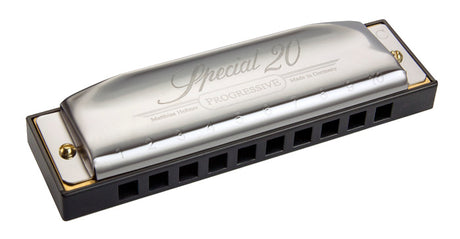
Our clear recommendation for beginners is the Hohner Special 20 – diatonische Mundharmonika in Richter-Stimmung für Spieler (10 Kanäle, Messing-Zungen, ABS-Kanzellenkörper). It has a plastic comb that glides comfortably on the lips, a full tone and reliable response. For decades it has been the most recommended learning instrument, and in the key of C it is the best choice to start.
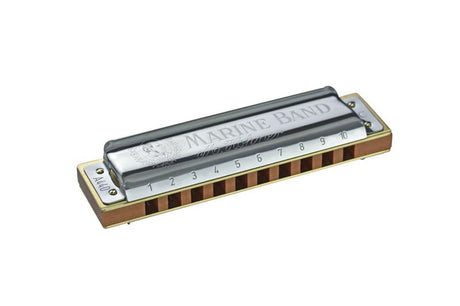
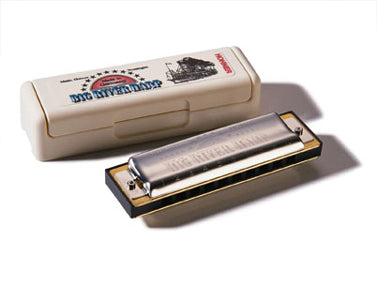
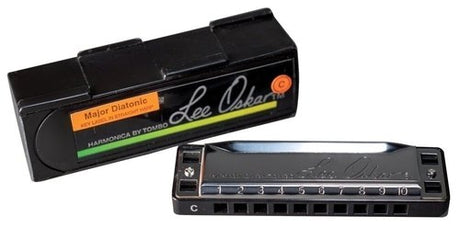
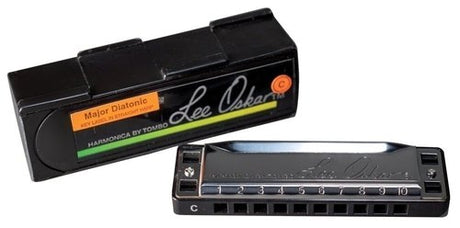
An equally proven alternative is the Hohner Marine Band 1896 Classic – diatonische Mundharmonika mit Birnbaum-Kanzellenkörper (10 Kanäle, Messing-Zungen, 3 Oktaven), the classic with a wooden comb and the characteristic warm blues tone. For a more budget-friendly start, the Hohner Big River Harp – diatonische Bluesharp im Modular System für Spieler (10 Kanäle, Messing-Zungen, Edelstahl-Deckel) is an excellent option. The Hohner Blues Harp MS – diatonische Mundharmonika in Richter-Stimmung mit Doussié-Holzkanzelle (10 Kanäle, 3 Oktaven) and the Lee Oskar Major Diatonic (1910) – diatonische Mundharmonika im Richter-System (20 Messing-Stimmzungen, austauschbare Stimmplatten, ABS-Korpus) with replaceable reed plates are reliable companions for the start as well.


04What not to buy first
Two things tend to lead beginners astray.
The first mistake is a chromatic harmonica as a first instrument. The slide makes it look more versatile, but it demands a different technique, is harder to control and costs several times as much. Starting on it means learning more slowly and getting frustrated sooner.
The second mistake is the very cheap toy harp. It often responds unevenly and goes out of tune quickly, which makes tone production harder and dampens motivation. The small step up to a proper branded instrument is one of the most worthwhile investments at the start.
With a little care, a good harp lasts a long time: do not play right after eating, tap it out with the openings facing down after playing, and store it dry. That keeps it cleanly in tune.
Starting out is simpler than the many models suggest: a diatonic blues harp in C major, plus a proper branded instrument. With that you can follow any lesson, and the fun comes quickly.
Frequently asked questions
Which harmonica is best for beginners?
Why the key of C major in particular?
Should I buy a chromatic harmonica as a beginner?
Roughly what does a good entry-level harmonica cost?
How do I care for my harmonica?
Find the right beginner harmonica
Diatonic models in C major from Hohner and Lee Oskar, from the affordable entry point to the proven classic.
See all harmonicasRecommendation: Hohner Spezial 20Passende Produkte