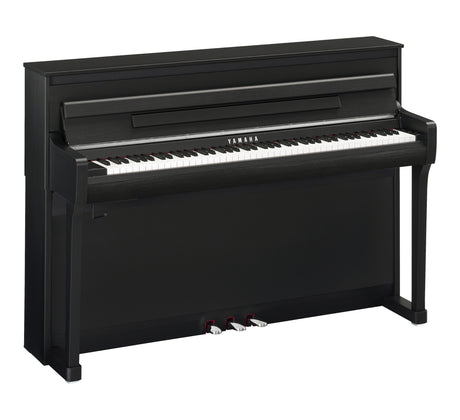
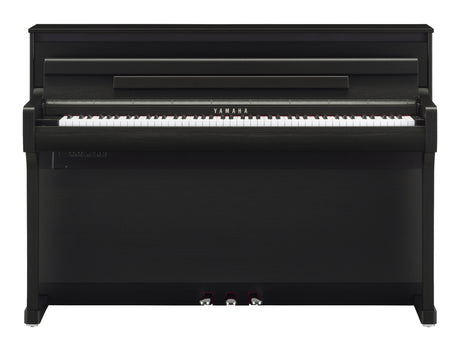
Yamaha, Kawai, Roland or Casio? A brand name is only a starting point when choosing a digital piano. Models differ in key action, sound generation, controls and features, and technical labels do not tell you which will feel right. This comparison extends the existing brand guide to Casio and looks at four stocked models through their official specifications. It is not a listening test or a ranking. Use it to define your must-haves, then compare the exact model information against them.
01What a brand comparison can tell you
A useful comparison puts specific models and documented features side by side. For digital pianos, these may include the key mechanism, sound generation, connections and available piano voices. Manufacturers use their own names for actions and sound systems. Those terms describe a design or technology, not objective taste. A longer name or a greater number of technical features does not establish overall superiority. Start with how you play: regular piano practice, a home instrument, a particular repertoire or additional sound options. This keeps the comparison focused on the decision you need to make.
02Yamaha and Kawai: two specific configurations
Yamaha lists GrandTouch-S action and CFX and Bösendorfer piano sounds for the CLP-835. Kawai describes the CA701 with a Grand Feel III wooden-key action and SK-EX piano sounds. These are manufacturer specifications for selected models, not blanket statements about every instrument from either brand. Ask whether each key design and the available piano sounds fit your criteria. The technology names alone cannot tell you which action will feel more comfortable for your hands or playing style. Compare the model generation and configuration you are actually considering.
03Roland and Casio use their own technologies
For the RP701, Roland lists PHA-4 Standard action and SuperNATURAL Piano technology. Casio equips the AP-550 with Smart Hybrid Hammer Action CELVIANO Edition and a Multi-Dimensional Morphing AiR sound source. These names refer to different technical approaches. They do not establish a universal sound preference: settings, volume and listening environment also matter. Consider practical questions instead: which controls do you need? Which connections matter? Do you want to focus on piano sounds or use additional options? Write down your answers before giving weight to individual brand names.
04Make a choice using your own criteria
Make a short list of three to five criteria: key feel, preferred piano sound, controls, connections and placement. Then review one model from each brand using its current manufacturer page. For example, compare the CLP-835, CA701, RP701 and AP-550. Read the product description and specifications, and mark which points answer your criteria and which remain unclear. Listening impressions and personal preferences are yours to assess; they cannot be inferred from a technology name. If two instruments meet your must-haves, the way you weight those needs often matters more than an abstract brand winner.
Yamaha, Kawai, Roland and Casio use different technical approaches. Choose by each model’s documented features and your own priorities rather than a general brand judgement.
Frequently asked questions
Which digital piano brand is best?
Does each brand always sound the same?
Can I directly compare these four models?
What should I consider first?
Compare digital pianos by your criteria
Open the examples and compare key action, sound systems and features against your own list.
View Yamaha CLP-835View Kawai CA701View Roland RP701View Casio AP-550Browse digital pianosPassende Produkte